
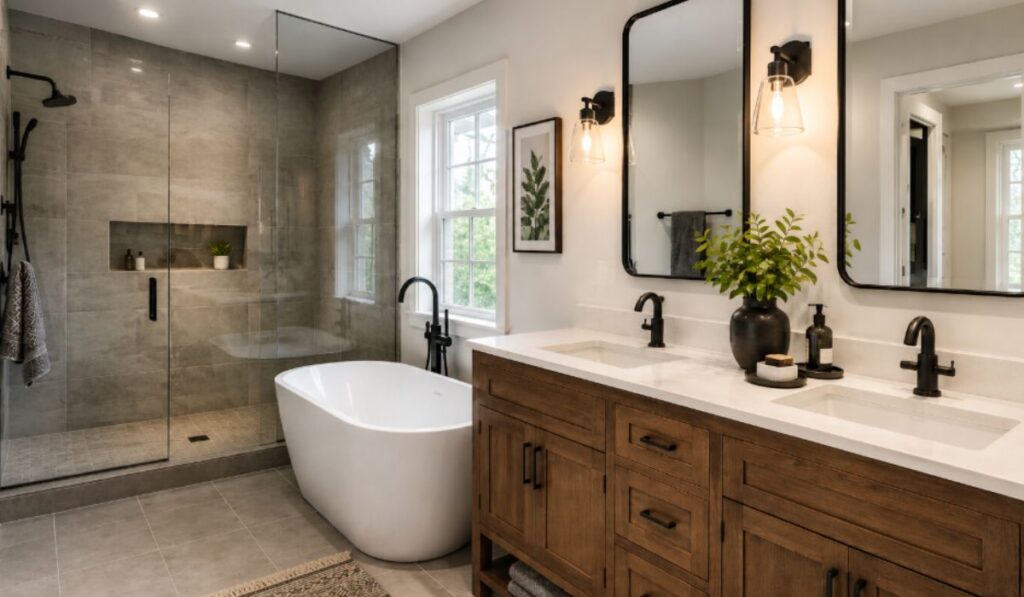
Planning a bathroom remodeling Denver project can feel like a big decision. You want a space that looks good, works well, and fits your budget. But where do you start? This guide breaks down the real cost factors, the step by step process, and design ideas that fit Colorado homes. You will learn what drives price up or down, how long a project takes, and what to ask before you hire a contractor. By the end, you will know exactly what to expect from your bathroom remodeling Denver project, from the first measurement to the final coat of paint.
What Drives the Cost of Your Project
Cost is the first question most homeowners ask. The truth is, it depends on a few clear factors. The size of your bathroom matters most. A small powder room costs far less than a full master bath with a soaking tub and double vanity. Material choice plays a big role too. Tile, stone, and custom cabinetry cost more than standard options, but they last longer and add more value to your home.
Labor is another major piece. Plumbing and electrical work require licensed professionals, and that work takes time to do right. If you are moving a toilet or shower to a new spot, expect higher costs because pipes need to be rerouted. Permits add a small fee but protect you from code violations down the road.
Here is a quick breakdown of what typically affects your final price:
- Bathroom size and layout changes.
- Material grade (budget, mid-range, or luxury).
- Plumbing and electrical complexity.
- Labor rates and contractor experience.
- Permit and inspection fees
Most homeowners in the Denver area find that a mid-range remodel offers the best balance of style and value. It updates the look without breaking the bank, and it still includes quality materials that hold up over time.
The Remodeling Process Step by Step
A good remodel follows a clear path. First comes the design phase. You meet with your contractor, share your vision, and pick out materials. This step sets the tone for everything that follows. Next is the demolition phase, where the old fixtures, tile, and flooring come out. This part is messy but quick, usually done within a day or two for most bathrooms.
After demolition, the rough work begins. Plumbers and electricians handle pipes and wiring before any new walls go up. This is the stage where layout changes happen, like moving a sink or adding a new shower. Once the rough work passes inspection, the finishing phase starts. This includes drywall, tile, paint, cabinetry, and fixture installation.
The final walkthrough is where you check every detail with your contractor. Doors should close smoothly, water should drain properly, and every surface should be clean and finished. A well-run bathroom remodel services team will walk you through this checklist before calling the job done.
Design Ideas That Fit Denver Homes
Denver homes often blend mountain style with modern comfort. Natural stone, warm wood tones, and large windows that bring in light work well here. Walk-in showers with frameless glass doors are popular because they make small spaces feel bigger. Heated floors are another favorite, especially given Colorado winters.
If you want a timeless look, stick with neutral tiles and simple fixtures. These choices age well and appeal to future buyers if you ever sell your home. For a bolder style, consider a statement vanity or a patterned accent wall. Small changes like updated lighting and new hardware can also refresh a bathroom without a full overhaul.
Avoiding Common Remodeling Mistakes
Many homeowners run into the same problems during a renovation. Rushing the planning phase often leads to changes mid-project, which raises costs and delays the timeline. Skipping ventilation upgrades is another common issue. Without proper airflow, moisture builds up and leads to mold over time. Always confirm your contractor pulls the right permits, since skipped permits can cause problems when you sell your home later.
Choosing the cheapest bid is not always smart either. Low prices sometimes mean lower quality materials or rushed labor. It pays to compare a few quotes, check reviews, and ask for examples of past work before making a final decision.
Why Hiring a Local Expert Matters
Colorado’s climate and building codes are different from other states. A local team understands how to handle humidity control, proper insulation, and code requirements specific to this region. They also know which materials hold up best against temperature swings between seasons. Working with someone familiar with Denver homes means fewer surprises and a smoother process from start to finish.
A trusted bathroom remodel Denver team also brings the right licenses and insurance, which protects you if anything goes wrong during construction. This peace of mind is worth more than a slightly lower quote from an unlicensed contractor.
Ready to Start Your Remodel?
A bathroom remodeling Denver project is one of the best ways to add comfort and value to your home. With the right planning, materials, and team, the process can be smooth from start to finish. MSSV Construction has helped homeowners across the Denver area turn outdated bathrooms into spaces they love. Their team handles every step, from design to final walkthrough, with quality craftsmanship you can trust. If you are ready to transform your bathroom, reach out today and start planning your project with confidence.
Frequently Asked Questions
Most projects take two to four weeks, depending on size and the scope of work involved.
Yes, most plumbing and electrical changes require permits to meet local building codes.
Plumbing and layout changes usually cost the most, especially if fixtures are being relocated.
Yes, most homeowners stay in their home, though you may lose access to that bathroom during construction.
Porcelain tile, quartz countertops, and solid wood cabinetry tend to hold up well over many years.
Look for licensed, insured professionals with strong reviews and a portfolio of completed bathroom projects.